
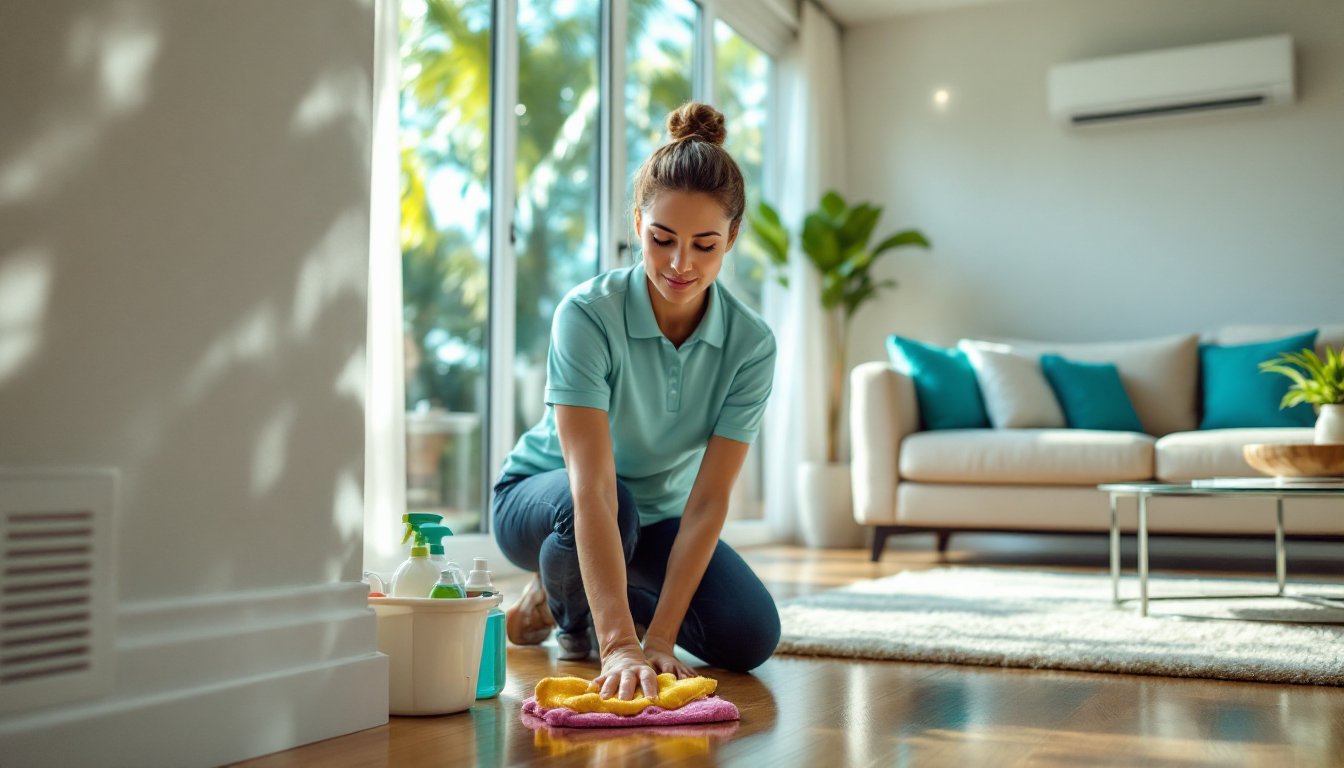
Orlando’s subtropical climate is a double-edged sword. Sure, it delivers year-round sunshine and outdoor living, but that same heat and humidity invite dust, mold, and allergens into every corner of your home. Between the daily influx of sand from nearby beaches, pollen from lush landscaping, and moisture that never quite dries, keeping an Orlando home clean isn’t just about aesthetics, it’s about protecting your investment and your family’s health. Whether you’re tackling it yourself or weighing professional help, understanding how Central Florida’s unique conditions affect your cleaning routine will save time, money, and frustration.
Table of Contents
ToggleKey Takeaways
- Orlando’s subtropical humidity (50–90% year-round) accelerates mold growth and dust mite infestations, making house cleaning in Orlando a health priority, not just aesthetics.
- Run exhaust fans during and 20 minutes after showers, check AC drain lines monthly, and use a dehumidifier to control moisture and prevent mold in Florida’s climate.
- Hard water minerals from Orlando’s municipal supply leave buildup on faucets and glass; use white vinegar or commercial descalers, and squeegee bathroom surfaces after every shower to reduce deep-cleaning frequency.
- Implement a quarterly seasonal cleaning schedule tied to Orlando’s weather patterns: deep-clean HVAC in dry season, prep gutters in spring, focus on mold prevention during hurricane season, and reseal grout in fall.
- Hire professionals for mold larger than 10 square feet, post-construction cleaning, pre-sale staging, or if your household has respiratory issues, as HEPA-filtered vacuums capture 99.97% of fine allergen particles.
- Stock your cleaning caddy with HEPA-filter vacuums, microfiber cloths, bleach alternatives like hydrogen peroxide, disinfectant wipes, and nitrile gloves to tackle Florida-specific challenges year-round.
Why Orlando Homes Need Special Cleaning Attention
Orlando sits squarely in USDA Hardiness Zone 9b–10a, with average relative humidity hovering between 50–90% year-round. That moisture doesn’t just make summers sticky, it accelerates mold growth on grout, window sills, and HVAC ducts. Dust mites thrive in humidity above 50%, and Florida’s sandy soil gets tracked indoors daily, scratching hardwood and embedding in carpet fibers.
Pollen counts spike twice annually, spring (oak, pine, and grasses) and fall (ragweed). If you’re not changing HVAC filters monthly during peak seasons, you’re recirculating allergens through every room. Add afternoon thunderstorms that drive humidity spikes, and you’ve got the perfect recipe for mildew on shower curtains, musty towels, and water spots on glass.
Another curveball: hard water. Orlando’s municipal supply contains dissolved minerals, calcium and magnesium, that leave cloudy residue on faucets, shower doors, and appliances. Ignoring it leads to buildup that etching and corrodes finishes over time. Homes with well water face even higher mineral content.
Finally, the bug factor. Florida’s warmth means roaches, ants, and mosquitoes are active year-round. Crumbs left overnight become an invitation, and standing water in drip trays or clogged gutters turns into breeding grounds. Regular cleaning isn’t optional, it’s pest prevention.
DIY House Cleaning Tips for Orlando Homeowners
Tackling Humidity and Mold in Central Florida
Mold needs three things: moisture, oxygen, and organic material (drywall, wood, fabric). You can’t eliminate oxygen, but controlling moisture is within reach. Start by running exhaust fans during and 20 minutes after every shower, this vents humid air before it condenses on walls. If your bathroom lacks a fan, crack a window or use a portable dehumidifier rated for at least 30 pints/day in spaces up to 1,500 square feet.
Inspect window sills, door thresholds, and exterior door sweeps quarterly. Florida’s driven rain finds every gap, and pooling water on sills leads to black mold within weeks. Wipe sills dry after storms and apply a mildew-resistant caulk (like DAP Kwik Seal Ultra) to seal gaps.
For existing mold on non-porous surfaces (tile, glass, metal), mix 1 cup bleach per gallon of water. Scrub with a stiff brush, rinse, and dry thoroughly. Never mix bleach with ammonia or acidic cleaners, it produces toxic chloramine gas. Wear nitrile gloves, safety goggles, and a respirator mask rated N95 or higher. For porous materials (drywall, grout), bleach only kills surface mold. Use a dedicated mold remover like Concrobium or RMR-86, or replace damaged materials if growth is extensive.
Check your AC drain line monthly. Central Florida HVAC systems pull gallons of moisture daily, and clogs in the condensate line cause overflow, hello, ceiling stains and mold. Pour 1/4 cup distilled vinegar down the drain line quarterly to prevent algae buildup. If you see standing water in the drip pan, the line is clogged: use a wet/dry vac to clear it or call an HVAC tech.
Seasonal Cleaning Schedules That Work in Orlando’s Climate
Forget spring cleaning as a once-a-year blitz. Orlando’s weather demands a quarterly rotation tied to seasonal changes:
January–March (Dry Season): Deep-clean HVAC vents and replace filters. Pollen starts ramping up in late February, so this is your window to address ducts before allergens spike. Wash exterior windows while humidity is low, less streaking, faster drying. Pressure-wash siding, driveways, and lanais to remove mildew that accumulated during summer rains.
April–June (Pre-Hurricane Prep): Clear gutters and downspouts of oak pollen and debris. Clogged gutters overflow during summer storms, damaging fascia and inviting mosquitoes. Inspect window and door seals: re-caulk if needed. Vacuum and flip mattresses, dust mite populations explode as humidity climbs. Techniques for managing indoor air quality during humid months are similar to home organization tips that prioritize ventilation and clutter reduction.
July–September (Hurricane Season): Focus on storm prep and mold prevention. Clean refrigerator coils (dusty coils work harder in heat, wasting energy). Bleach-wash trash and recycling bins monthly, Florida heat accelerates bacterial growth and odor. Keep a hurricane cleaning kit stocked: trash bags, disinfectant wipes, battery-powered fan, and dehumidifier in case of power outages.
October–December (Cooling Off): Tackle upholstery and drapes. Lower humidity means fabrics dry faster after steam cleaning. Reseal natural stone countertops and tile grout annually, moisture penetration is cumulative. Inspect attic spaces for roof leaks or mold from summer storms: address issues before winter guests arrive.
When to Hire Professional House Cleaning Services in Orlando
DIY cleaning handles day-to-day upkeep, but some situations warrant calling in pros. If you’re seeing black mold larger than 10 square feet, that’s EPA’s threshold for professional remediation. Mold inside HVAC ducts, behind drywall, or under flooring requires containment procedures and specialized equipment, not a bottle of bleach.
Pre-sale deep cleaning pays for itself. Staging companies and realtors consistently report that professionally cleaned homes photograph better and sell faster. Expect to pay $200–$400 for a thorough 1,500–2,000 sq ft home cleaning in the Orlando metro area (rates vary by company and add-ons like carpet shampooing or window washing).
Post-construction cleaning is another smart hire. Drywall dust, grout haze, and adhesive residue require specific solvents and tools. Many contractors include a “builder’s clean,” but it’s surface-level. A detailed post-reno clean costs $0.15–$0.30 per square foot and includes wiping down inside cabinets, removing stickers from windows, and detailing fixtures.
Consider a pro for move-in/move-out cleans. Landlords and property managers in Orlando often require professional receipts for deposit returns. These services hit areas tenants commonly miss: inside oven, refrigerator coils, baseboards, and light fixtures.
Finally, if you or a family member has respiratory issues, asthma, COPD, severe allergies, professional services with HEPA-filtered vacuums and allergen-reducing protocols make a measurable difference. Standard vacuums recirculate fine particles: HEPA systems (rated to capture 99.97% of particles 0.3 microns or larger) actually remove them.
Vet candidates carefully. Verify liability insurance and workers’ comp coverage, if someone is injured on your property, you’re exposed without it. Ask about cleaning products: if you have kids, pets, or sensitivities, confirm they offer green or fragrance-free options. Check references and online reviews, focusing on consistency and communication.
Essential Cleaning Supplies Every Orlando Home Should Have
Stock your cleaning caddy with products that address Florida-specific challenges. Start with a pH-neutral all-purpose cleaner, brands like Method or Mrs. Meyer’s work on most surfaces without damaging finishes. For hard water stains, keep a bottle of white vinegar (5% acidity) or a commercial descaler like CLR. Spray, let sit 5 minutes, scrub with a non-scratch sponge, and rinse.
Invest in a microfiber cloth set (at least 12 cloths). They trap dust and bacteria better than cotton rags and can be laundered 500+ times. Color-code them: blue for glass, green for kitchens, yellow for bathrooms. This prevents cross-contamination.
For mold and mildew, have both bleach (sodium hypochlorite) and a hydrogen peroxide-based cleaner. Bleach disinfects non-porous surfaces: peroxide is gentler on fabrics and grout. Never use bleach on natural stone (marble, granite, travertine), it etches and discolors. Residents dealing with frequent mildew often rely on cleaning hacks that emphasize preventive maintenance and proper ventilation.
Disinfectant wipes or spray (EPA-registered, like Lysol or Clorox) are non-negotiable in Florida. Use them on high-touch surfaces, door handles, light switches, remote controls, especially during flu season. Let the surface stay wet for the contact time listed on the label (usually 4–10 minutes) to actually kill germs: wiping immediately doesn’t disinfect.
Keep a squeegee in every bathroom. After each shower, squeegee glass doors and tile walls. This 30-second habit prevents soap scum and hard water buildup, cutting deep-cleaning frequency in half.
Don’t overlook tools. A vacuum with a HEPA filter and motorized brush roll handles Florida’s mix of tile, hardwood, and carpet. Cordless stick vacs (like Shark or Dyson models) make quick work of daily sand and critter debris. For tile grout, a grout brush with stiff nylon bristles or an electric scrubber (Rubbermaid Reveal, Homitt, or similar) saves knees and time. Many homeowners find that implementing decluttering guides alongside a solid cleaning routine makes maintaining an Orlando home far more manageable.
Finally, PPE matters. Keep nitrile gloves (latex-free to avoid allergies), safety goggles, and N95 masks on hand. Mixing chemicals, dealing with mold, or using aerosol cleaners in tight spaces exposes you to irritants and toxins. Protect yourself, especially in Florida’s heat, where ventilation often means choosing between air conditioning and open windows.
Conclusion
Cleaning an Orlando home isn’t harder, it’s just different. Humidity, hard water, and year-round pests demand consistent attention and the right supplies. Stay ahead with quarterly deep cleans, control moisture ruthlessly, and know when to call in pros for mold or major projects. Your home, and your lungs, will thank you.