
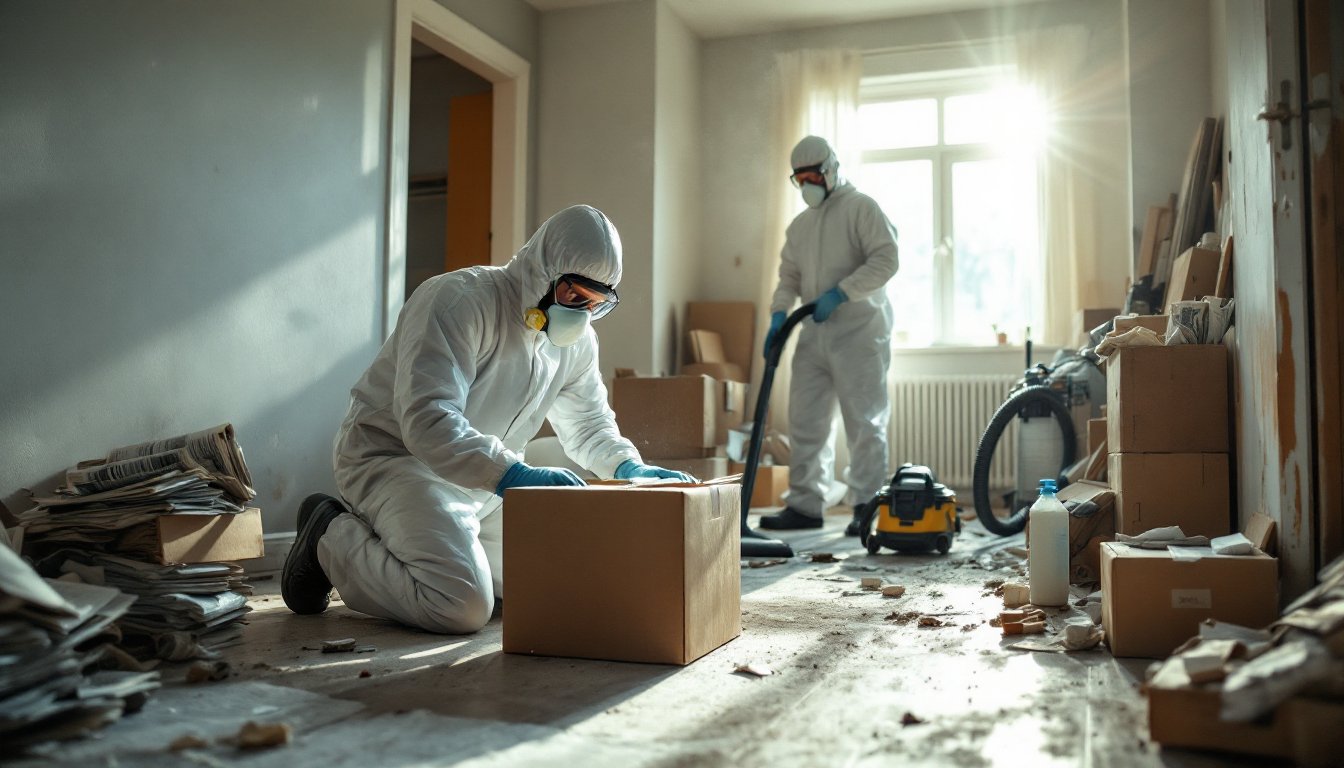
Sometimes a house gets beyond what a regular Saturday scrub can fix. Whether it’s a hoarding situation, a post-construction disaster, or a rental that’s been neglected for years, extreme house cleaning services handle what most residential cleaners won’t touch. These aren’t the crews who dust baseboards and vacuum, they bring industrial equipment, biohazard protocols, and the elbow grease to reclaim spaces that look unsalvageable. If you’re facing a property that’s buried in debris, covered in years of grime, or dealing with biological contamination, here’s what you need to know about finding and hiring the right pros for the job.
Table of Contents
ToggleKey Takeaways
- Extreme house cleaning services use industrial equipment and biohazard protocols to restore properties beyond standard residential cleaning, including hoarding cleanouts, post-death cleanup, and mold remediation.
- You need extreme house cleaning services when dealing with severe biohazard contamination, hoarding situations, post-renovation dust, or inherited distressed properties that require professional remediation.
- Find reliable extreme house cleaners near you by checking verified reviews, confirming proper licensing and OSHA certification, seeking companies with specialized services, and obtaining multiple quotes.
- Extreme cleaning typically involves assessment and planning, debris removal, deep sanitization with hospital-grade disinfectants, odor treatment with ozone generators, and detailed documentation.
- Costs range from $75-$150 per hour per technician, with flat rates of $2,000-$10,000+ depending on contamination level, debris volume, and disposal requirements, often covered partially by homeowner’s insurance.
- Always verify licensing, insurance, disposal practices, timeline guarantees, and request references before hiring to avoid surprise charges and ensure work quality.
What Are Extreme House Cleaning Services?
Extreme house cleaning goes well beyond standard residential cleaning. These services tackle properties in severe disarray, think hoarding cleanouts, post-foreclosure homes, abandoned buildings, or homes with significant biohazard contamination.
Crew members use industrial-grade cleaning equipment, including HEPA filtration vacuums, power washers, ozone generators, and commercial-grade disinfectants. They’re trained to handle scenarios that require PPE like respirators, nitrile gloves, and hazmat suits.
Typical extreme cleaning jobs include:
- Hoarding situations involving multiple rooms filled with belongings, trash, and organic material
- Post-death or biohazard cleanup after unattended deaths, sewage backups, or rodent infestations
- Fire or smoke damage restoration, including soot removal and odor neutralization
- Mold remediation along with certified mold specialists (many states require licensed mold contractors for removal)
- Construction or renovation aftermath, including drywall dust, adhesive residue, and debris
- Foreclosed or abandoned properties with years of neglect, pest infestation, and structural contamination
Unlike regular maid services that maintain already-clean homes, extreme cleaners restore spaces to livable or marketable condition. Some companies also coordinate junk removal, carpet replacement, and minor repair work to get a property move-in ready.
When Do You Need Extreme Cleaning Services?
You’ll know it’s time to call in the heavy hitters when a property exceeds what a bucket of Pine-Sol and a weekend can fix. Here are the clearest indicators:
Hoarding or severe clutter: If navigating the home requires stepping over piles of belongings, and there’s visible trash, expired food, or animal waste, standard cleaners won’t take the job. Extreme teams remove debris, sanitize all surfaces, and often work alongside mental health professionals or social workers.
Biohazard contamination: Any situation involving bodily fluids, sewage backups, or animal remains requires specialized cleaning. Blood, feces, and decomposition fluids pose serious health risks, HIV, hepatitis, hantavirus, and bacterial infections. Many jurisdictions require certified biohazard technicians for cleanup, and improper handling can lead to fines or health code violations.
Post-renovation or construction dust: Drywall dust, silica particulates, and tile-cutting residue settle into every crevice. Without HEPA filtration and thorough wipe-downs, this fine dust recirculates for months. Extreme cleaners use commercial vacuums and wet-wiping protocols to remove construction debris completely.
Fire or water damage aftermath: Smoke leaves oily residue on walls, ceilings, and inside cabinets. Water damage leads to mold growth within 24-48 hours if not properly dried and treated. Extreme cleaning often overlaps with restoration work, expect coordination with insurance adjusters and remediation contractors.
Inherited or purchased distressed properties: If you’ve bought a fixer-upper or inherited a neglected home, extreme cleaning is usually the first step before any renovation. It’s also essential for house flippers who need a property ready for market quickly.
If you’re unsure whether your situation qualifies, most companies offer free assessments. They’ll walk the property, photograph conditions, and provide a scope of work.
How to Find Reliable Extreme Cleaners in Your Area
Finding a crew that can handle extreme jobs requires more vetting than Googling “maid service.” Here’s how to locate legitimate pros:
Start with platforms that aggregate verified reviews. Services like local house cleaning directories let you filter by specialty, read customer feedback, and compare multiple providers in your area. Look for companies with at least 10 reviews and an average rating above 4.5 stars.
Check for proper licensing and insurance. Extreme cleaning often involves biohazard handling, which requires certification in many states. Ask if technicians are trained in OSHA bloodborne pathogen standards and whether the company carries general liability and workers’ compensation insurance. If someone gets injured on your property or damages a structural element, you don’t want to be liable.
Look for specialized services, not generalists. Companies that advertise “all cleaning services” often subcontract extreme jobs. You want a crew that lists hoarding cleanup, biohazard remediation, or trauma scene cleaning specifically. Check their website for case studies or before-and-after galleries.
Ask for referrals from related professionals. Real estate agents, estate sale companies, and property managers deal with distressed homes regularly. They’ll know which local outfits deliver and which ones ghost clients halfway through a job.
Get multiple quotes. Extreme cleaning pricing varies widely based on square footage, contamination level, and disposal costs. Aim for at least three estimates, and be wary of any quote that’s significantly lower than the others, it often signals cut corners or surprise charges later.
What to Expect During an Extreme Cleaning Session
Extreme cleaning isn’t a two-hour maid visit. Depending on the property’s condition, the job can take multiple days to several weeks. Here’s the typical process:
Initial assessment and planning: The crew walks through, documents conditions with photos and video, and creates a room-by-room action plan. They’ll identify biohazards, structural damage, or areas requiring specialized treatment (mold, asbestos, lead paint).
Debris and clutter removal: For hoarding situations, the team sorts belongings into keep, donate, and dispose piles. This stage alone can take days. They’ll coordinate with junk removal services for large items and handle hazardous waste disposal separately (paint, chemicals, electronics).
Deep cleaning and sanitization: Once debris is cleared, crews scrub all surfaces using hospital-grade disinfectants. Floors, walls, ceilings, inside cabinets, and fixtures all get treated. For biohazard situations, they use EPA-registered antimicrobials and may fog the space with disinfectant.
Odor removal: Persistent smells from smoke, pets, or decomposition require ozone treatment or hydroxyl generators. These machines break down odor molecules at a molecular level. Note: ozone generators can damage rubber, leather, and some fabrics, so they’re used only after removable items are cleared.
Final inspection and documentation: The crew does a walkthrough with you or your agent, verifying that all agreed-upon tasks are complete. For insurance claims or estate settlements, they provide detailed reports and photos.
Be ready for the crew to ask you to vacate during certain stages, ozone treatment, heavy chemical use, and biohazard work all pose health risks to occupants. If you’re hiring top-rated maid services for a local cleanup, confirm upfront whether you need to leave the property during the process.
Cost of Extreme House Cleaning Services
Pricing for extreme cleaning varies dramatically based on property size, contamination level, and regional labor rates. Expect to pay more than standard cleaning, sometimes significantly more.
Hourly rates for extreme cleaning crews range from $75 to $150 per hour per technician. Most companies send teams of 2-4 people, so a single day can run $600 to $2,400.
Flat-rate pricing is common for defined projects. A moderate hoarding cleanup in a 1,500-square-foot home typically costs $2,000 to $10,000. Biohazard situations (unattended death, sewage backup) start around $1,500 for a single room and can exceed $25,000 for whole-house contamination.
Cost factors that increase pricing:
- Biohazard level: Blood, feces, or bodily fluids require certified technicians and specialized disposal, adding 30-50% to base costs.
- Volume of debris: Hoarding cases with multiple dumpster loads cost more. Dumpster rental alone runs $300-$600 per 20-yard container, and extreme jobs may need 3-6 loads.
- Mold or structural damage: If cleaning reveals mold behind walls or rotted subfloors, remediation costs escalate quickly. Mold removal averages $500 to $6,000 depending on area affected.
- Disposal fees: Hazardous materials like paint, asbestos, or contaminated carpet require special disposal. Budget an extra 10-20% for these fees.
- Odor treatment: Ozone or hydroxyl generators add $200-$500 per session.
Insurance sometimes covers extreme cleaning after disasters (fire, flood, sewage backup). Check your homeowner’s policy and get the cleaning company to provide documentation for claims.
For budgeting, get a written estimate that breaks out labor, disposal, materials, and any subcontractor fees. Lock in a not-to-exceed price if possible, scope creep is common when contractors start peeling back layers of grime.
Questions to Ask Before Hiring an Extreme Cleaning Company
Before signing a contract, ask these questions to avoid headaches and surprise charges:
1. Are you licensed and insured for biohazard cleanup? If the job involves bodily fluids, sewage, or hazardous materials, they need proper certification. Ask for proof of insurance (general liability and workers’ comp) and any state-required licenses.
2. What’s included in your estimate? Clarify whether the quote covers labor, disposal, cleaning supplies, and equipment rental. Some companies charge separately for dumpsters, specialty chemicals, or odor treatment.
3. How do you handle disposal? Ensure they follow local regulations for hazardous waste. Improper disposal can result in fines for the property owner. Ask if disposal fees are included or billed separately.
4. Will you work with my insurance company? If you’re filing a claim, the cleaning company should provide detailed documentation, photos, and invoices formatted for insurers. Some companies are preferred vendors for major insurance carriers, which can speed up claims.
5. What’s your timeline? Understand how long the job will take and whether you need to vacate. If you’re on a tight deadline (closing date, lease start), get the schedule in writing.
6. Do you guarantee your work? Reputable companies offer a satisfaction guarantee or return visit if odors or contamination persist. Get this in writing.
7. What happens if you find structural issues? If cleaning reveals mold, water damage, or pest infestation, will they handle remediation or refer you to specialists? Clarify upfront how change orders are priced.
8. Can you provide references? Ask for contact info for past clients with similar projects. A company confident in their work won’t hesitate to connect you with references.
Resources like Good Housekeeping also offer expert guidance on evaluating cleaning services and products, which can help you set realistic expectations for results.
Conclusion
Extreme house cleaning services exist because some properties need more than a mop and a prayer. Whether you’re dealing with a hoarding situation, biohazard contamination, or a fixer-upper that’s been abandoned for years, the right crew can restore a space to safe, livable condition. Do your assignments, verify credentials, get multiple quotes, and ask pointed questions before signing. A thorough extreme cleaning sets the foundation for any renovation or sale, and cutting corners here will cost more in the long run.